Mud tubes running up your foundation are subterranean termites building a protected path from the soil to the wood framing — our inspection traces every tube back to its source before we quote a barrier treatment. Termite damage isn't covered by most homeowner insurance policies, which makes early detection in Bigfork properties a real financial issue, not just a cosmetic one.
A full inspection includes a wood-destroying organism report suitable for real estate closings, at no charge.

Every technician performing Bigfork termite inspections carries state licensing for wood-destroying organism reporting.
Swarm season calls get priority scheduling since active swarmers mean a mature colony needs attention quickly.
Liquid barrier and bait station pricing is quoted after inspection, tied to linear footage and species found.
We use moisture meters, sounding hammers, and sometimes thermal imaging to find damage hidden behind finished walls.
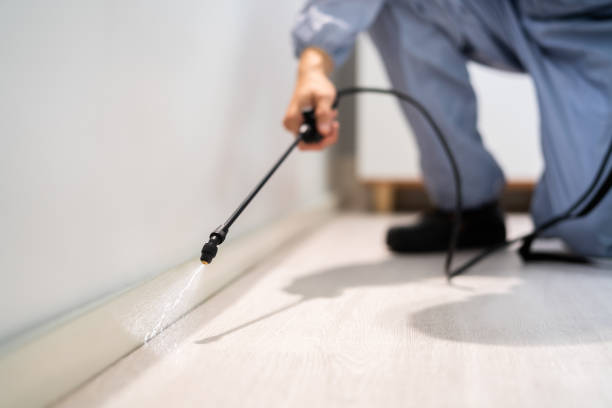
A liquid barrier is trenched and applied along the full foundation line, not just the section where mud tubes were spotted.
Stations use a slow-acting bait that colony members share, which can eliminate the nest rather than just the visible tubes.
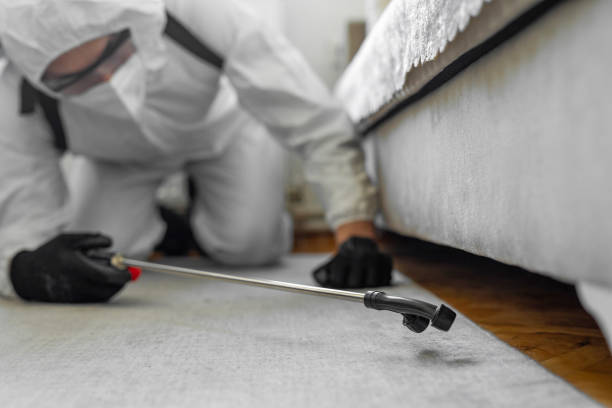
Drywood termites don't need soil contact, so treatment targets the specific wood member, often with localized injection.
Photos of any damage found are included in the report so buyers and agents see exactly what was inspected.
We document damage severity so you or your contractor know which framing needs structural attention.
We set up recurring inspection schedules for Bigfork commercial buildings with reports for property records.

Call +1-866-315-0243 and describe what you've seen — mud tubes, wings, or soft wood — so we can prioritize the inspection.
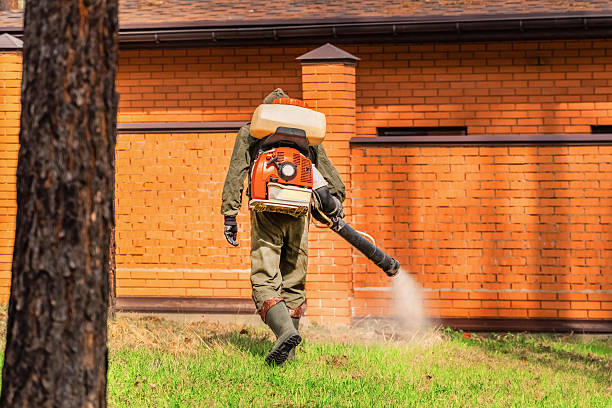
Our mobile units carry both liquid termiticide and bait station equipment for Bigfork termite calls.
We trace mud tubes, check for wood-to-soil contact, and identify subterranean versus drywood species before quoting.
Treatment is applied the same visit when possible, with monitoring visits scheduled to confirm the colony is gone.
The WDO report they provided was exactly what our lender needed for closing — saved us from a delay.
Swarmers showed up near our bedroom window one evening and I panicked. The inspection found a subterranean colony and the liquid barrier was done the same week.
As a property manager, having a bonded termite plan on file made our annual insurance review painless.
Bait stations were installed along our property line and the quarterly monitoring checks have been reassuring ever since.

No matter which Bigfork neighborhood you're in, a technician equipped for termite-specific work can reach you within days, often sooner. We cover single-family homes, multi-unit buildings, and commercial properties across Bigfork with the same inspection standard and documentation.

Termite wings are equal in length and shed easily near a single point, while ant wings are uneven in size — a technician can confirm on site.
Treatment differs by species — subterranean gets a soil barrier or bait stations, drywood often gets localized wood treatment.
Yes, a WDO report is standard for most real estate transactions and we can usually schedule it within a few days.
Barrier treatments typically hold for several years, with monitoring visits confirming the barrier is still effective.
Exterior barrier treatment usually doesn't require leaving the home, but we'll tell you specifically if your treatment plan does.
Our guarantee covers a free re-treatment if activity returns within the stated window on your service agreement.
Call +1-866-315-0243 for a free inspection and written treatment quote.
Call +1-866-315-0243